Surviving the NICU
Categories
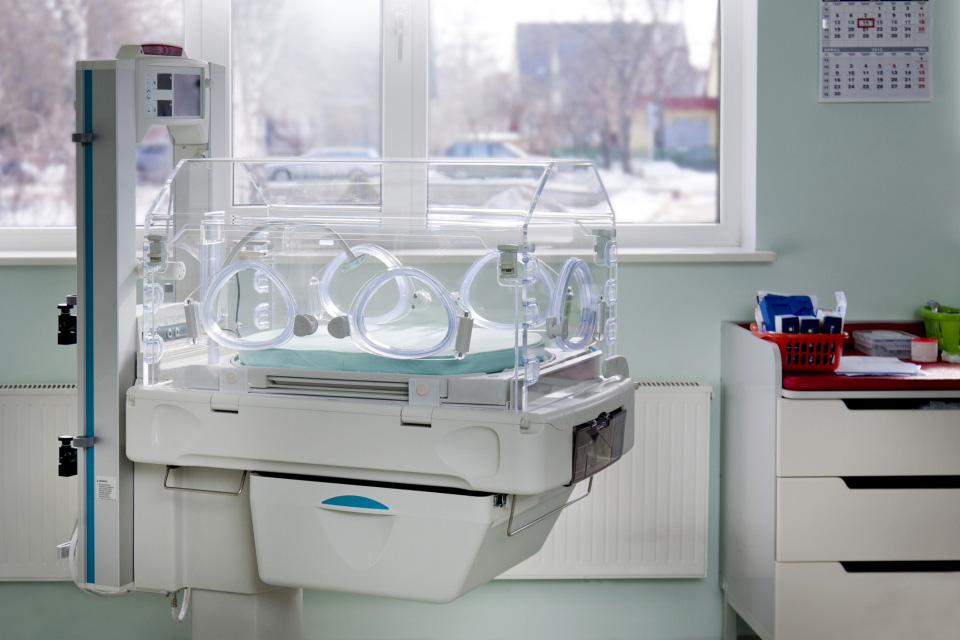
When I envisioned my fourth trimester, the months and weeks following giving birth, I imagined a lot of sleepless nights, time in bed recovering, holding my baby boy in my arms, learning how to breastfeed. My reality ended up being something different. My baby was born five weeks early, landing him in the neonatal intensive care unit (NICU) for three weeks.
His first weeks were spent hooked up to oxygen wires and a feeding tube through his nose. At times he was under a special blue light to help his body process bilirubin. Not to mention the monitors he wore for the nurses to track his oxygen levels, heart rate, and respiratory rate. Although I was still able to hold him, the wires made it awkward and it felt a little more like he belonged to the hospital and the nurses, than he did to me. It was difficult to see my helpless baby like that, but while I dealt with the emotional toll that took on me, I was dealing with my own recovery. My body had been through physical turmoil, of course, but I was also dealing with the sudden drop in estrogen and progesterone levels that happen just after childbirth. Instead of lying in bed, having my husband bring me meals while I held my baby in my arms, I was leaving the hospital without my baby, using a breast pump in the middle of the night and storing milk to bring to the NICU, then getting up in the morning and heading out to the hospital all day where I wasn’t able to relax, wear my pajamas, eat meals with regularity (food was not allowed in the NICU rooms) or lay down. And the hormone fluctuations I was experiencing are known to contribute to depression and anxiety, at a time when my baby was in an intensive care unit, at an increased risk for health complications – an anxious time under any circumstances.
While the situation wasn’t ideal and I faced emotional challenges that were tough to overcome, as the weeks went on, I was able to adapt to the current situation and make things a little more comfortable for myself as I dealt with emotional toll of having my newborn in the hospital, and the emotional and physical toll childbirth took on my body.
One of the first things I began doing a few days into my baby’s stay in the NICU, was to make the baby’s hospital room into our substitute bedroom. I was lucky enough to have my baby in a hospital with private NICU rooms, so we could shut the door and be alone. The room also provided recliner chairs to lean back in. I got comfortable. I cuddled up on the chairs, I brought my iPad (but a phone or laptop would work too) and set it up with TV shows to stream. I held my baby as often as I could, while he slept, and brought him comforts from home. The NICU nurses remarked about this several times, saying “I love that you have made this like your living room at home! You seem more comfortable than a lot of the other families!” Making the room comfortable, like a surrogate home, helped me feel like I could bond with my baby, and having some entertainment allowed me to pass the time there. While I was there, in part, to feed him, I was also sometimes just there to be there. Just to be near him. And a lot of the time, he slept so it was quiet, aside from the beeping of the monitors. Without some entertainment, the hours likely would have dragged – making it harder to stay for such long hours (sometimes from 10:00 a.m. until 10:00 p.m.). What I needed to do, for myself and for my baby, was just be there. Even if I wasn’t doing anything but holding him or watching him sleep in his hospital bassinet. Letting myself relax, to the extent that I could, helped my body heal and helped my mental health as well.
Another issue that had to be dealt with, was my inability to eat meals in the room with my baby, which was against hospital policy. However, it was important for me to have full meals, because I was breastfeeding. Not to mention that being weak and hungry, was not helpful to my mental state. Knowing that my baby, and I, needed those nutrients, I focused on ways I could feed myself, but not be away too long from my baby. I wanted to be there any time he woke up and needed to be fed. Although meals were not permitted, I was able to bring snacks that would help to fortify my body and provide nutrients, things like almonds, beef sticks, or dried fruits. Each morning, I made myself a smoothie, packed with as many different types of foods as possible – things like fruits, peanut butter, spinach, avocado, or yogurt. I was able to consume that in the room because it was more of a drink than a meal. Of course, I still needed to take time to leave the room and eat lunch – your body burns hundreds of calories a day while breastfeeding (some estimates say 300-500, while others believe it’s as high as 700.) A breastfeeding person’s body needs meals and calories to keep the milk supply up.
There are some positives to a stay in the NICU. For one, I got a lot of breastfeeding support that others pay for. There were lactation specialists in the hospital who came by to help me and my baby get used to the process. I’ve known people who had paid quite a bit for a visit with such a specialist once they were home with their baby. I had nurses there all the time to help me and answer questions about caring for my baby. They were there to help with his umbilical cord care in his first weeks and with his first bath. If I had any concerns (and most new parents have a lot of them about their newborns) I had a medical professional there to consult.
Here are some other NICU tips that may help new parents:
- Get as much rest as you can.
- Take some time for a short walk outside the hospital while your baby is asleep. It helps to clear the head. Sitting in the room too long, watching the monitors can be hard on mental health.
- Stock up on quick and portable meals and snacks, ones that provide nutrients and protein. Things that helps me accomplish this were:
- Beef sticks or jerky
- Nuts such as almonds
- Smoothie drinks
- Dried fruits
- Take advantage of the help you have from the NICU nurses, don’t feel guilty. I felt so guilty taking a few hours to celebrate my husband’s birthday while my baby was in the NICU, but one of the nurses said “Go take some time with your husband now, you won’t have someone always readily available to take care of him soon! Take advantage of the fact that we’re here, you need it!” It was important to take a little time for ourselves and our marriage during all of the stress of a premature newborn.
- Don’t be afraid to seek out mental health support, whether it be from a therapist that sees you individually, or a therapy group for new moms. Some even have groups that cater to parents with babies in the NICU. Here are a few that I took advantage of while I was navigating the NICU:
- Postpartum Support International: https://postpartum.net/colorado/
- The Birth Squad: https://www.copmhp.org/
My biggest piece of advice it to take the help offered to you, whether it be from the NICU nurses, hospital lactation specialists, or mental health professionals. Don’t be afraid to ask for help and support, it’s hard enough being a new parent, and even harder when your baby isn’t at home with you and may be dealing with a health issue in the hospital. And, I can say from experience, it’s all worth it. My son is two and a half years old now and thriving. He’s smart, outgoing, funny, and full of energy. The NICU is just a distant memory and a part of his story, but it doesn’t define us. And I can honestly say I’ll never forget the kindness of those who helped and supported me through it all.